02
About
A life in words and music.
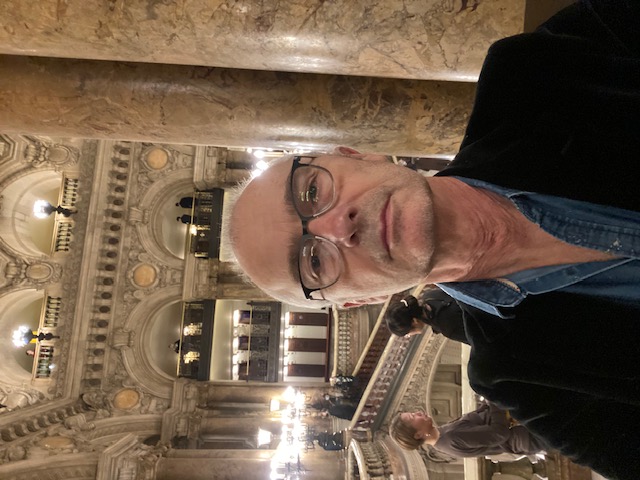
Richard Néel is an opera translator and surtitler. For more than thirty years, his work has helped audiences follow drama as it unfolds in music.
Biography
Languages came first. Music and theatre gave them their purpose.
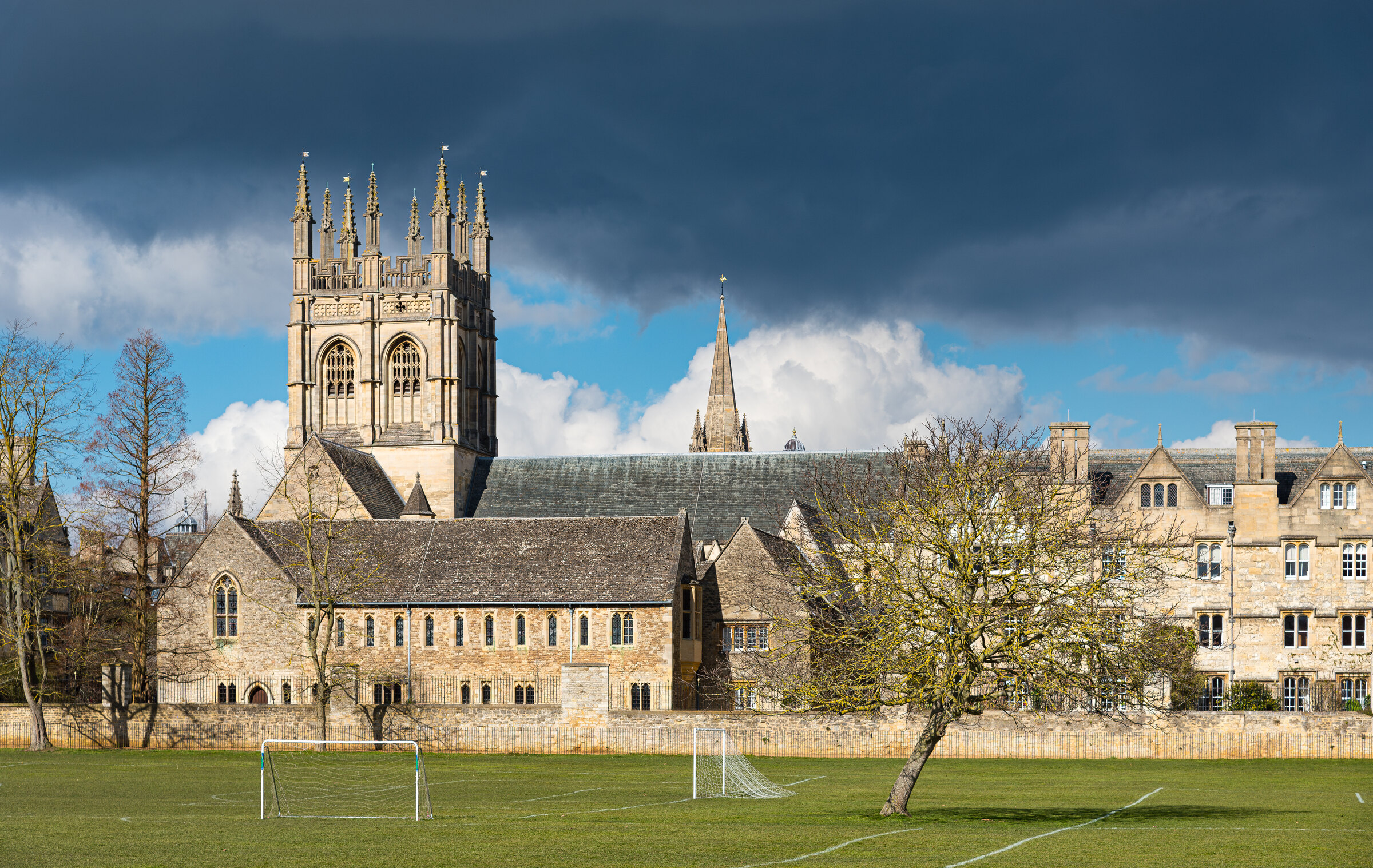
Like many young people of his generation, Richard grew up with singing and piano as a natural part of school life in England. He went on to read French and Russian at Oxford University. At Merton College, he was also administrative director of the Kodály Choir: an early convergence of language, music and organisation that would later shape his professional life.
A family thread
French was part of the story before Richard was.
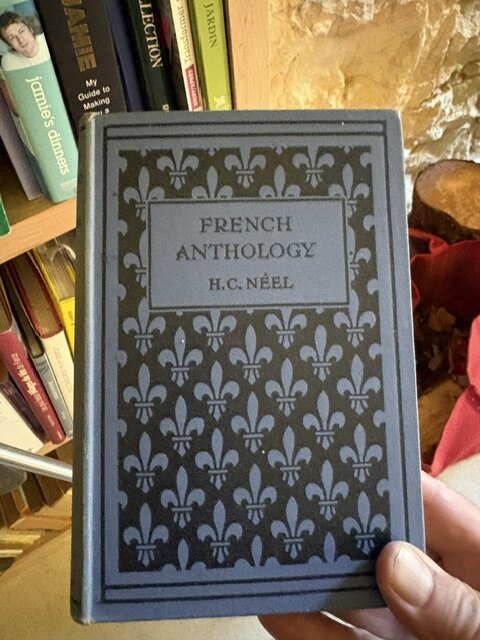
Richard’s paternal grandfather, Henri Charles Néel (1889–1957), left France for the United States and taught at several prestigious American universities. Richard still owns a copy of French Anthology, published under the name H. C. Néel. A generation later, he would not cross the Atlantic, but the Channel—from England to France.
1980s — today
From Oxford
to the Paris Opera
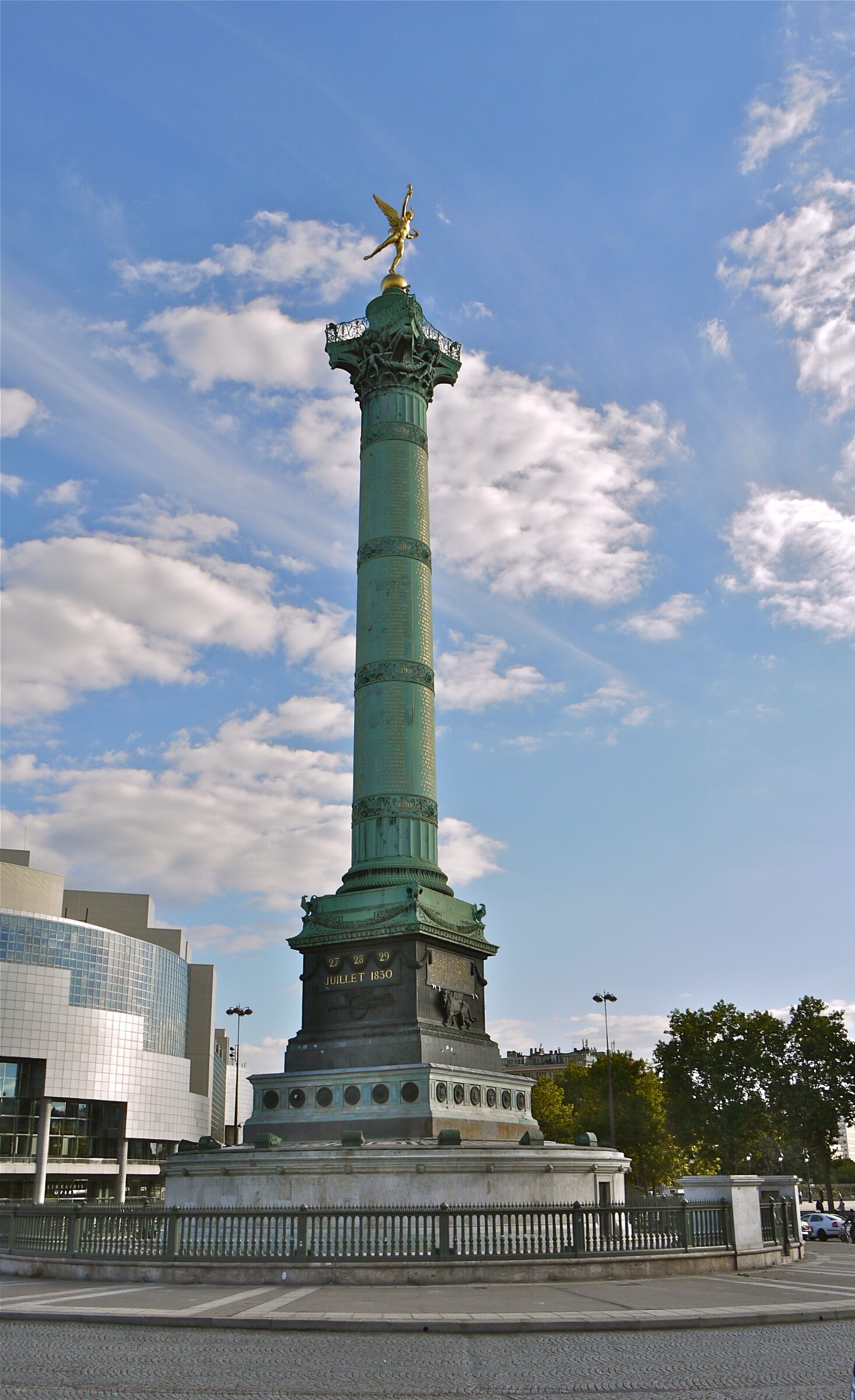
Richard then spent two years living and working in Crema, a short distance from Cremona—the city of Antonio Stradivari. From Italy he moved to France. In 1986 he founded INCA Langues, a language school working with major corporate clients, particularly in banking and high fashion. The experience combined teaching, translation and the demands of running a growing business.
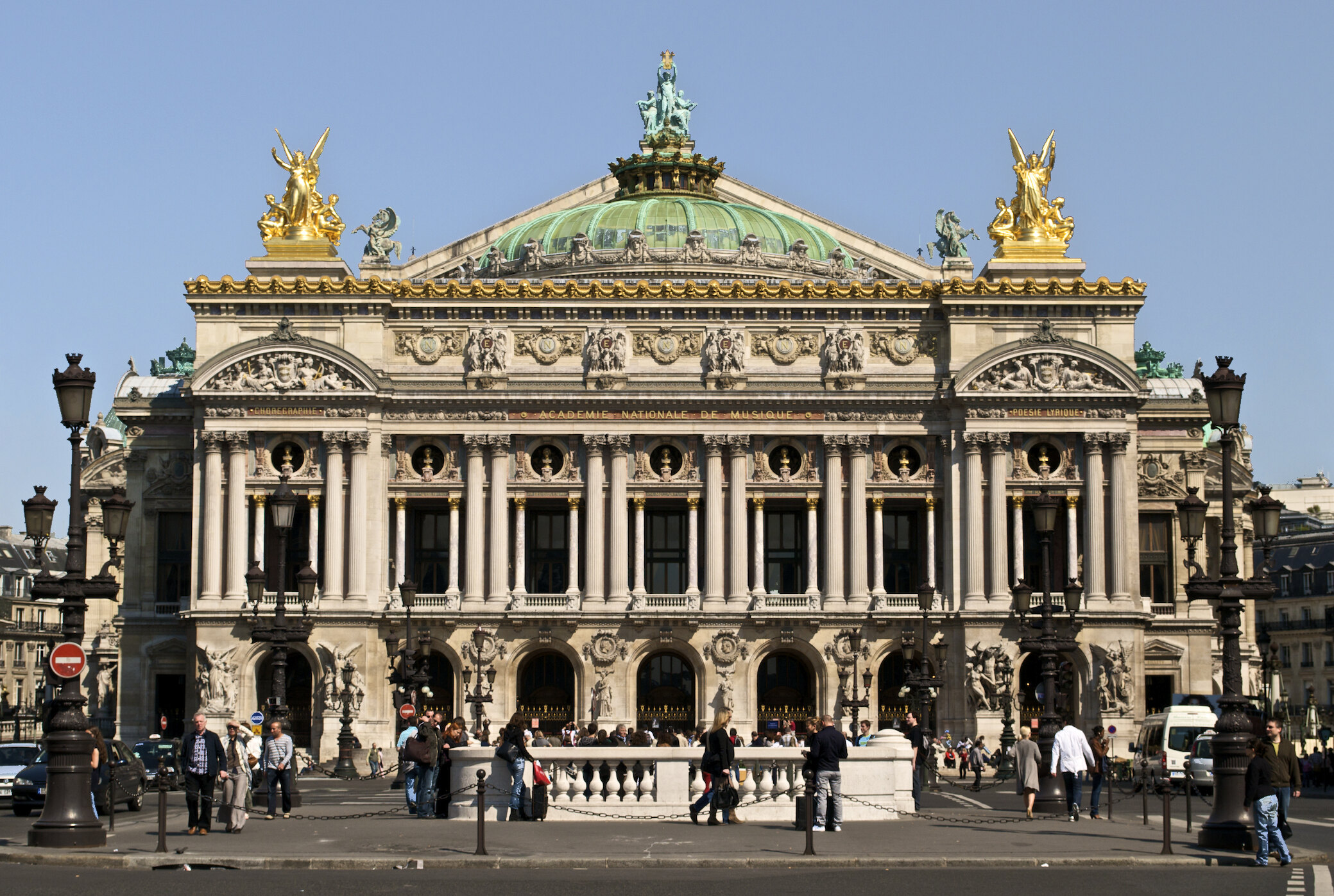
In 1991, shortly after the Opéra Bastille opened, the management of the Paris Opera invited him to take responsibility for surtitling at its two theatres. What began as a new field became the centre of his working life.
Richard began when surtitles were entered on large backstage machines and projected by equipment that had to be warmed long before the curtain rose. He has since followed the craft through successive generations of technology without losing sight of its essential purpose: allowing the audience to understand the work without drawing attention away from it.
Across Europe and on screen
Throughout this expansion, Richard has maintained a particularly close relationship with the Paris Opera. For more than three decades, this continuing collaboration has remained at the heart of his work, while the company’s activities have extended to other opera houses, festivals, broadcasters and digital platforms across Europe.
From the early 2000s, the company’s activity expanded beyond the theatre to opera on television and, later, online. Work for Arte, Mezzo, medici.tv and France Télévisions brought live and recorded performances to audiences far beyond the opera house, often in several languages.
Broadcast subtitles require different rhythms and different compromises: the text must follow both the music and the television direction. The need for precision, clarity and musical judgement remains the same.
Today Richard works with a highly experienced international team of opera linguists: a core group of around a dozen permanent or regular collaborators. Each brings a rare combination of linguistic precision, knowledge of repertoire and sensitivity to the demands of performance. Together, they make it possible to prepare productions and broadcasts in a wide range of languages without losing the coherence of a shared approach.
In the press
“A good surtitle is one you do not notice.”
Richard Néel, quoted by Louise Morfouace in La Lettre du Musicien, June 2023
A personal craft
The technology changes.
The musical judgement remains human.
Richard’s approach is founded on restraint: condense without flattening, preserve the character of the original, and find a language that serves the work without imposing on it. The surtitling operator, listening and responding to the performance, remains a musician.