03

Work

Words in performance.

Opera translation is an encounter between text, music and the practical realities of the theatre. The result must be precise, immediate and alive.

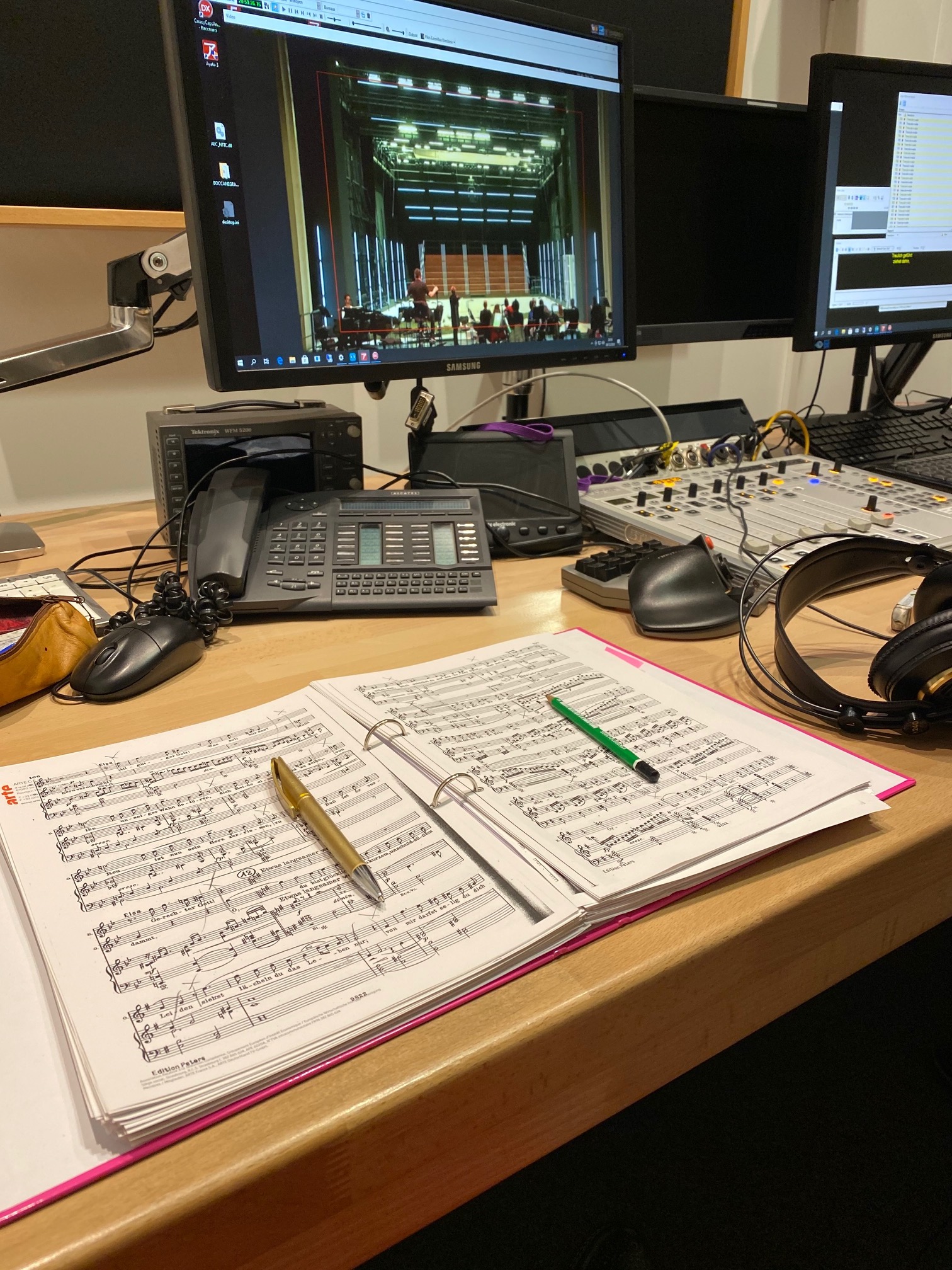
An open opera score at a technical desk during rehearsal

A collective
craft

Every production begins with the work itself: the score, the libretto and the dramatic intentions behind them. Before translating, we establish the version being performed, study the musical structure and identify the particular demands of the production. Cuts, repetitions, changes of edition and stage decisions all affect what the audience must read—and when.

Translation for surtitles is not simply a matter of replacing one language with another. The text must be concise enough to be read in performance, while retaining the tone, meaning and dramatic energy of the original. A comic line must still be funny; an intimate confession must remain intimate; a sudden change of thought must be immediately apparent. Whenever a choice has to be made, the music guides it.

Each project is entrusted to linguists with a close knowledge of opera and, wherever possible, of the composer, period and language concerned. Drafts are discussed, revised and brought into a common house style, so that a production translated into several languages remains coherent across every version.
01 — The cue

Translation becomes musical preparation.

The surtitles are divided into cues and aligned with the score. A cue may need to anticipate a phrase very slightly, wait for an orchestral gesture, follow a change of harmony or disappear before the audience’s attention must return fully to the stage. The aim is not to reproduce every word, but to give the audience what it needs at precisely the right moment.

02 — Rehearsal

From score to stage.

Singers breathe differently, conductors alter tempi, and a pause that seemed obvious on the page may acquire a completely different weight in the theatre. The cueing score is adjusted during rehearsals, and the operator continues to listen and respond during every performance.

03 — On screen

Music, language and camera direction.

For television and streaming, subtitles must follow the editing and camera direction as well as the music. Whether the audience is seated in an opera house or watching on screen, the purpose is identical: to make the work immediately understandable without coming between the spectator and the performance.

Areas of expertise

01Opera surtitles

Translation and cueing shaped by the score, the staging, the singers’ breathing and the dramatic rhythm.

02Libretto translation

Complete libretti translated with close attention to musical structure, dramatic voice and theatrical clarity.

03Broadcast subtitles

Subtitles for live television, streaming and VOD, timed to the music, the edit and the camera direction.

04Bilingual & multilingual adaptation

Parallel language versions kept concise, coherent and visually balanced for theatre and screen.

05Cueing scores and production preparation

Fully annotated scores and production files prepared for rehearsals and live operation.

Arte · Live & VOD

Six languages.
One performance.

For the past seven years, Richard and his team have developed a distinctive collaboration with Arte, providing surtitles in six languages for live broadcasts and video-on-demand throughout complete opera seasons. The work combines operatic, linguistic and broadcast expertise, adapting each production for an international online audience while preserving the rhythm and dramatic character of the performance.

This screen-based work also includes productions for Mezzo and medici.tv, each requiring the same musical responsiveness and exacting preparation across live and on-demand formats.

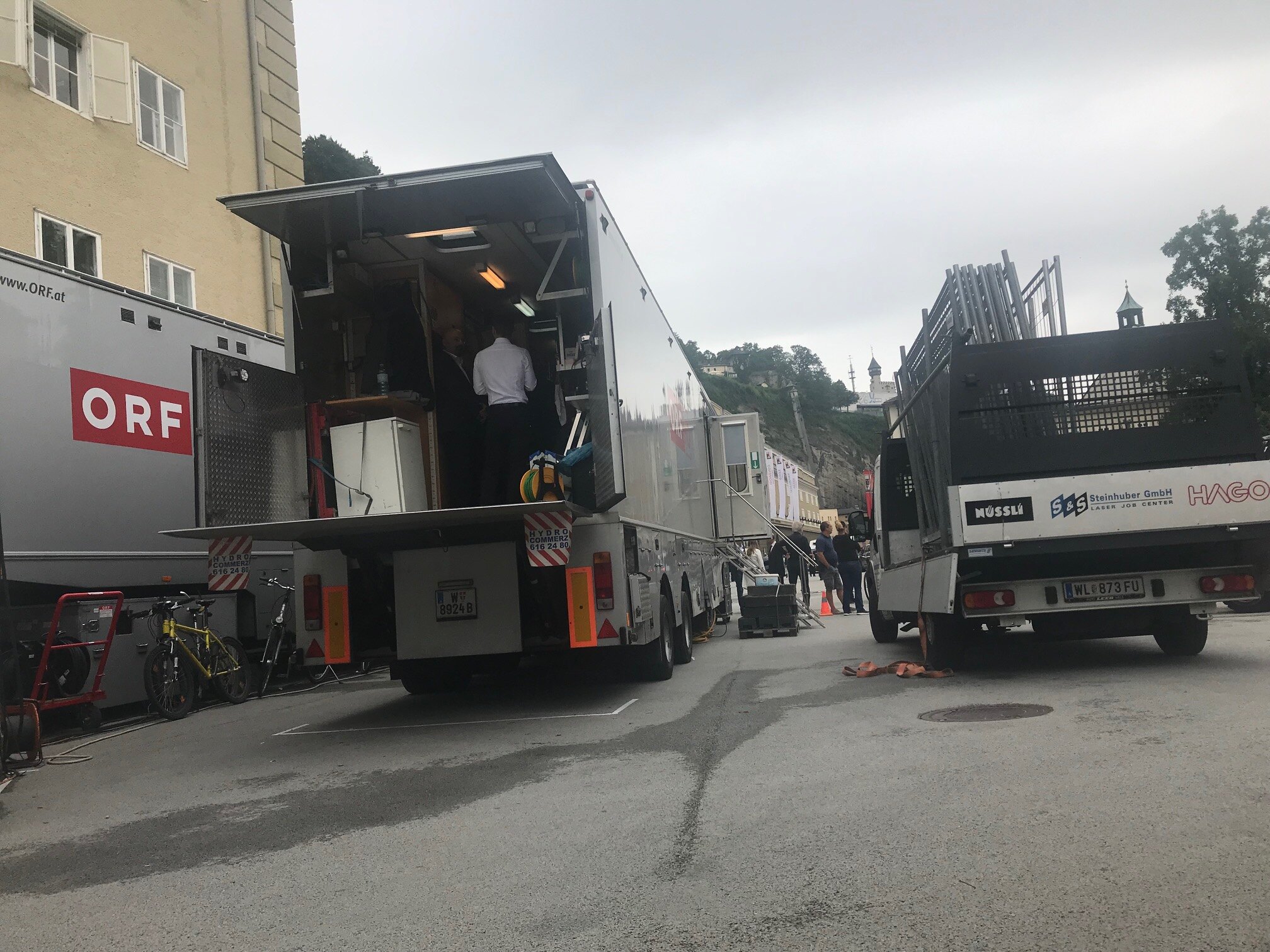
Outside broadcast trucks during a live opera transmission

Live opera · Outside broadcast

Live broadcast

Live means live.

A live opera broadcast brings together musical performance, translation, television direction and transmission in a single, unrepeatable moment. There is no second take. The subtitles must remain accurate and readable while following both the stage and the camera direction.

Years of live broadcasting have given Richard and his team a detailed understanding of the demands—and the risks—of this particular form. Preparation is exhaustive, but the system must also be ready for everything that cannot be predicted.

Richard and his team have worked with producers including François Roussillon et Associés, Camera Lucida Productions and Telmondis. Today, much of their work is commissioned directly by broadcasters and platforms, allowing surtitling to be integrated into the transmission workflow from the outset.

For web delivery and on-site display systems, they work with specialist technical partners Blue Elements and Artcom.

01

The performed version

The libretto, score, cuts, repeats and last-minute musical or staging changes must all correspond to the version that will actually be broadcast. A single discrepancy can throw everything that follows out of step.

02

Unpredictable performance

A singer may enter late, omit or repeat a phrase; a conductor may change tempo; applause may alter the rhythm of a scene. Cueing must follow the performance rather than an inflexible timecode.

03

The camera’s point of view

A subtitle that works in the theatre may not suit a close-up or a rapid cut. The text must adapt to shot changes, on-screen graphics, reading time and the television director’s unfolding narrative.

04

Six languages in parallel

Every language has its own length, syntax and reading rhythm. Multilingual delivery requires consistency between versions without forcing them into identical structures.

05

Coordination and communication

The surtitling team works closely with production, editorial and technical departments. Responsibilities, signals and emergency procedures must be unambiguous before transmission begins.

06

Redundancy and recovery

Equipment, files, signal paths and communications require tested backups. If a problem occurs on air, the response must be immediate, discreet and designed to restore continuity without compounding the error.

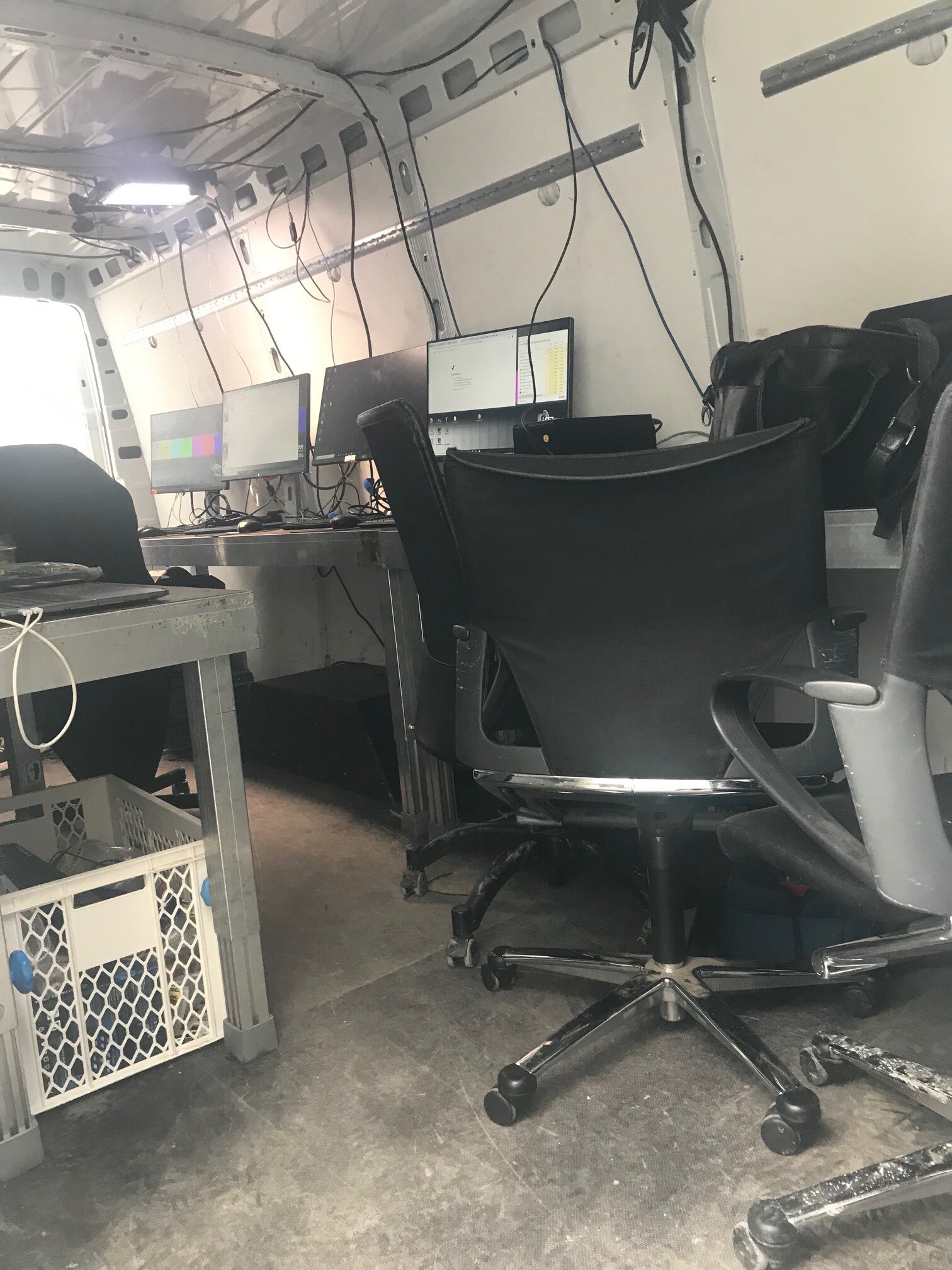
A compact temporary subtitling workspace inside a broadcast van
A workstation—somewhere inside the broadcast van
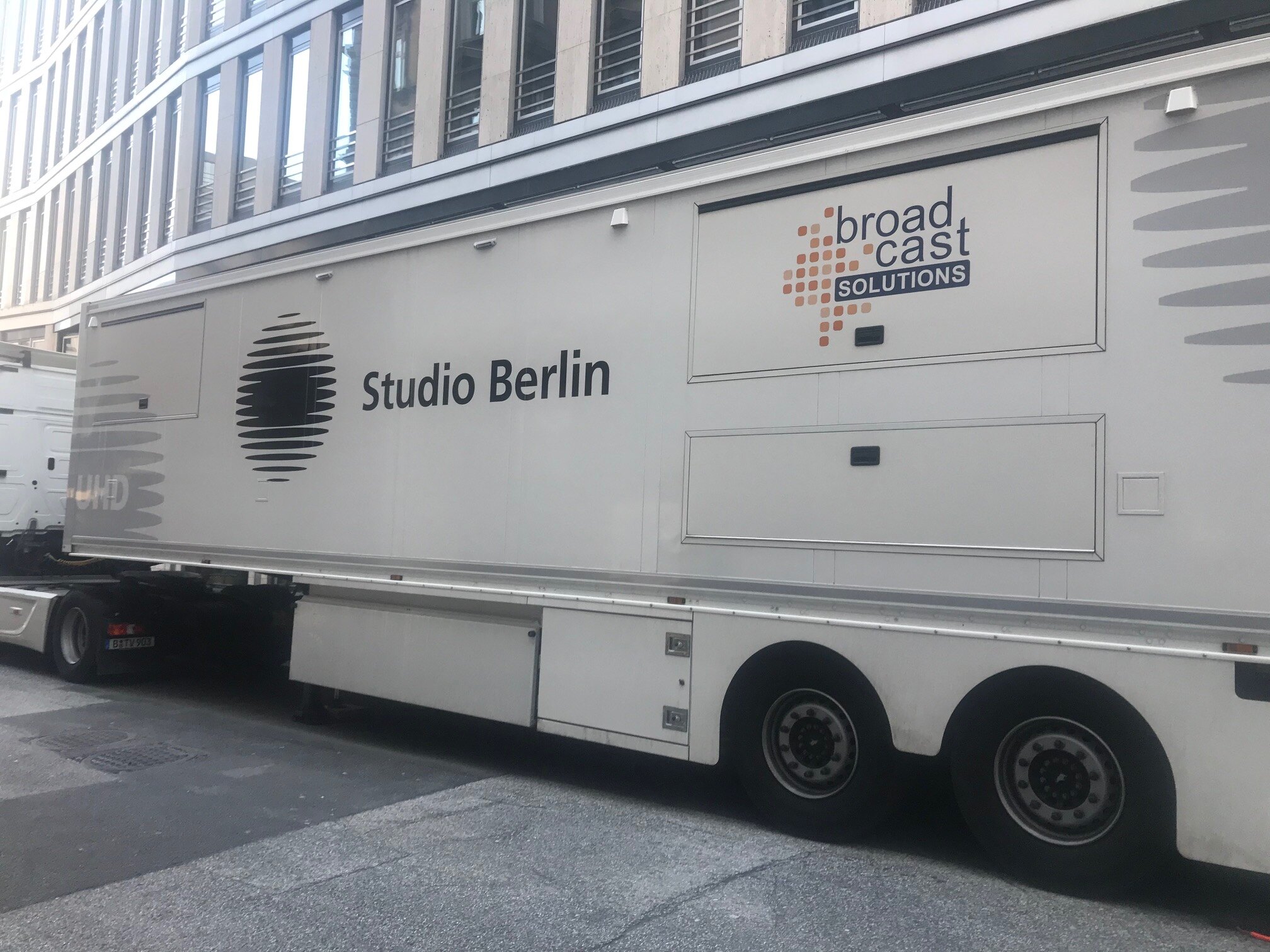
A Studio Berlin outside broadcast truck
Studio Berlin
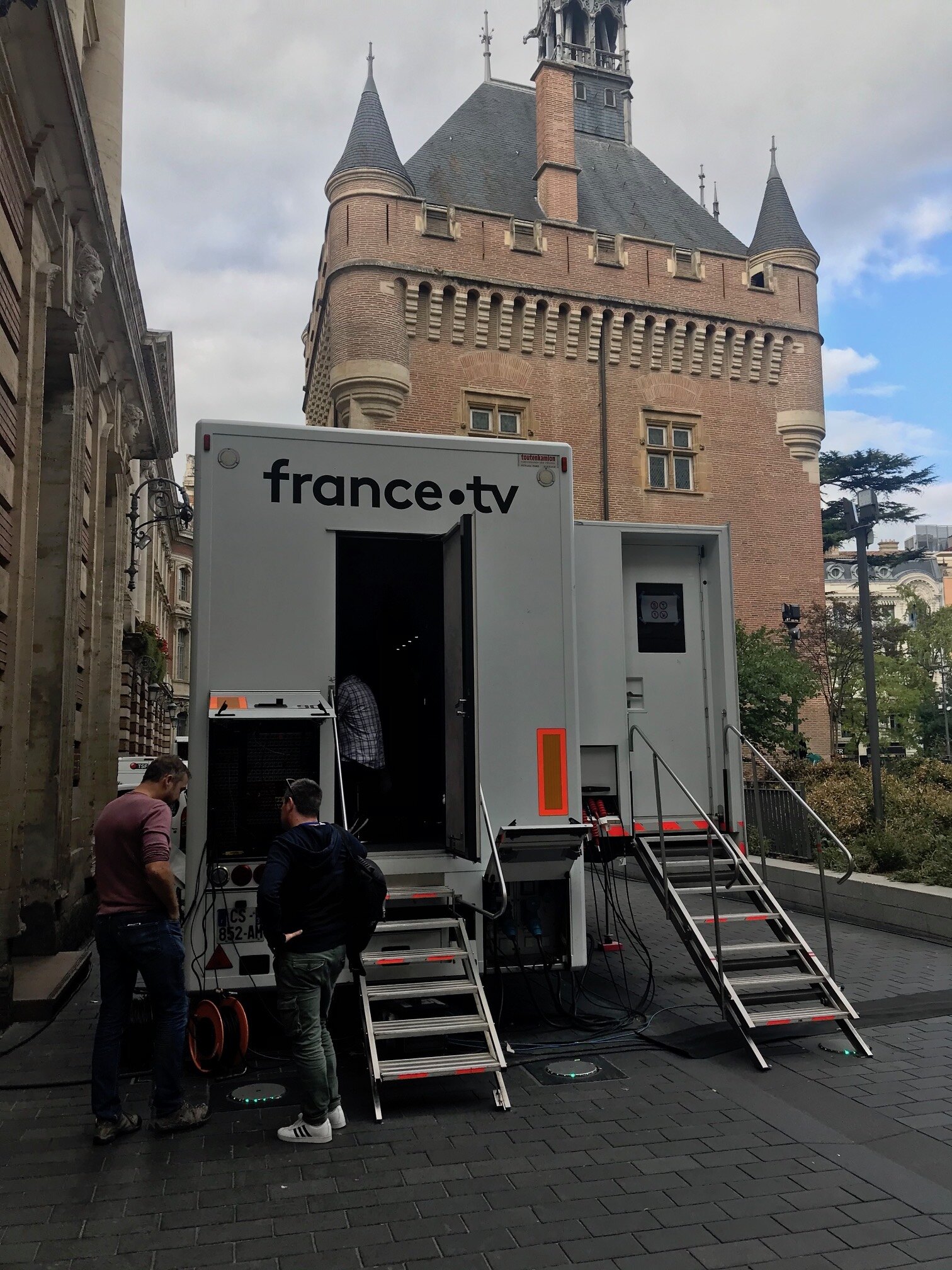
A France Télévisions outside broadcast truck
France Télévisions

Photographs from Richard Néel’s working archive

Once the live performance is over, the work continues. The broadcast is reviewed, any necessary corrections are made, and the subtitles are prepared for replay and video-on-demand—where the viewing conditions may be different again.

An international team

Opera linguists who understand the stage.

A core group of around a dozen permanent or regular collaborators combines linguistic expertise, knowledge of repertoire and the practical discipline of performance. The best surtitles do not advertise their own ingenuity: they allow the audience to forget that it is reading a translation at all.

A close collaboration

Sophie HagemannFounder · Phoenix Titles

Richard Néel works closely with Sophie Hagemann and Phoenix Titles. Together they ensure the preparation, coordination and follow-through of productions, particularly multilingual projects and live broadcasts.